Vintage Forest Sunset Mouse Pad: A Guide to Aesthetic and Practical Desk Enhancement
A workspace that looks good often feels better to use. The Mouse Pad Vintage Forest Sunset blends a warm, nostalgic landscape with everyday function, turning a simple desk item into a subtle mood booster. Whether you’re outfitting a home office, upgrading a gaming corner, or searching for a thoughtful gift, a sublimation mouse pad like this one offers color durability and a custom feel that standard printed pads can’t match. But getting the best experience goes beyond picking a pretty picture. From understanding what you’re actually buying to avoiding common preparation errors, a few practical checks make a big difference.
The Fusion of Art and Utility in a Sublimation Mouse Pad
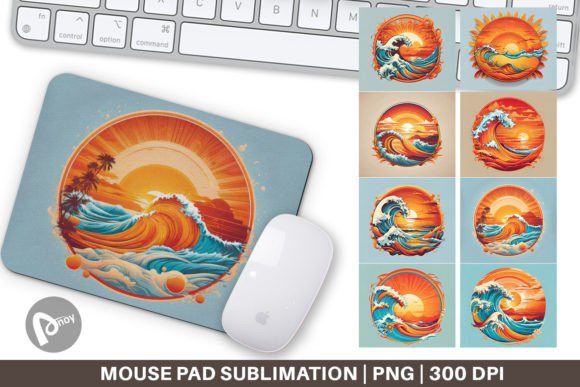
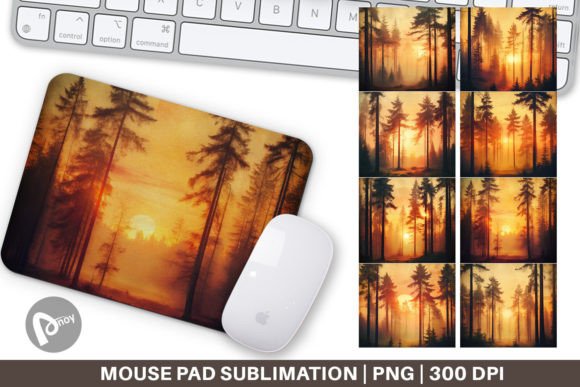
Sublimation printing infuses ink directly into the surface coating, creating a print that won’t scratch off or fade like a sticker. With the Vintage Forest Sunset design—a calm, painterly blend of dark pines, sun-drenched hills, and softly glowing sky—the result is a professional-looking desktop accent that invites calm focus. You don’t just receive a generic product; the resources include 8 high-resolution PNG files, each sized at 9.5 x 8.1 inches and set to 300 dpi. That resolution ensures crisp detail, from the silhouetted treeline to the gradual sunset gradient. For crafters and small business owners, this digital format gives the freedom to produce a single mouse pad for personal use or multiple units for a curated shop collection.
Because these files are purpose-built for sublimation, they expect a compatible blank: typically a polyester fabric surface or a rigid material with a polymer coating. When transferred correctly, the colors lock into the material for a richly toned mouse pad that withstands daily wear. The vintage aesthetic also pairs well with neutral desk setups, wooden accessories, and warm lighting—helping create a cohesive, inviting environment that subtly supports concentration.
Common Missteps When Choosing a Decorative Mouse Pad
Many people click “buy” on a beautiful design and overlook the technical details that turn a great idea into a disappointing result. Paying attention upfront avoids wasted materials, time, and money.
Overlooking Material and Print Quality
A frequent mistake is assuming every mouse pad blank will yield the same vivid print. Sublimation requires a surface rich in polyester or a specialty coating. A 100% cotton pad will give you a muted, nearly invisible transfer. The same goes for cheap pads labeled “sublimation ready” that actually use a thin, poorly bonded coating. You might end up with a dull image or one that peels after a week. When evaluating blanks, look for those explicitly described as dye-sublimation compatible with a smooth, white polyester top. A slightly off-white or textured surface can drastically shift the vintage sunset’s color balance, turning warm amber tones muddy or making the forest silhouette lose definition.
Better approach: Source a pad from a reputable supplier that lists the fabric composition and coating details. Test a small corner of the file with a sample blank before committing to a full press. The 300 dpi resolution of your Vintage Forest Sunset files means the image holds up to close inspection, but only if your substrate doesn’t blur the fine details.
Ignoring Size and Desk Real Estate
At 9.5 x 8.1 inches, this mouse pad is a medium rectangular design—not a sprawling desk mat, nor a petite square. One common oversight is ordering or printing this size without measuring the actual mouse movement area you use. Gamers with low-DPI settings often need broader sweeps; a pad that small may force constant repositioning, leading to frustration and undone productivity gains. Conversely, if you have a compact desk, this size fits neatly without crowding your keyboard or planner.
Before finalizing, lay a piece of paper cut to the same dimensions on your desk. Observe your natural hand movements for a few minutes. If you frequently lift and recenter your mouse, consider whether a larger pad would better suit your workflow, or whether this size will encourage you to adjust your sensitivity settings slightly—a simple fix that many overlook.
Assuming All Mouse Pads Deliver the Same Comfort
An attractive design can distract from physical needs. The base of a mouse pad matters for comfort and accuracy. A pad with a thin, slick back will slide across your desk with every fast flick, chipping away at precision and causing you to tense your wrist. Over time, that tension builds into fatigue, the opposite of the productivity boost you intended. Look for a non-slip rubber base that grips surfaces like wood, laminate, or glass without leaving residue. Edge stitching is another detail: a pad with raw fabric edges may fray after months of use, turning your beautiful forest sunset scene ragged.
If you’re pressing the pad yourself, you can’t control the base—but you can select a blank with a proven rubber backing and reinforced stitched edges. The soft top fabric should allow your mouse sensor to track smoothly without erratic cursor jumps. Optical and laser mice behave differently on textured surfaces, so a slight fabric weave is fine, but avoid deeply embossed patterns that interfere with the sensor.
Not Verifying File Compatibility and Print Setup
The downloadable PNG files are straightforward, but errors during printing can ruin the final appearance. Some users load the PNG directly into their design software without checking the color profile. Sublimation typically expects RGB mode, but if your workflow converts to CMYK for other products, the vintage sunset palette may shift significantly—those soft orange and purple hues can turn flat or grayish. Another overlooked detail is mirroring the image before pressing onto the pad. Forgetting to flip horizontally results in a reversed image with potentially awkward compositions, especially noticeable with text or if you later compare it to the original art.
Take a few minutes to properly set up your print file: confirm dimensions match 9.5 x 8.1 inches exactly, use 300 dpi for the sharpest output, and verify that your sublimation printer and heat press settings align with the blank manufacturer’s recommendations—typically around 400°F for 45–60 seconds with medium pressure. Running a test print on a similar material can save you from losing a premium blank.
Practical Tips to Avoid Disappointment and Maximize Your Investment
With digital files like these, the power is in your hands to create a consistently beautiful product. A little preparation goes a long way.
Before You Buy: Clarify Your Use Case
Are you making one mouse pad for a personal desk upgrade, or testing a product line for a creative business? A home office worker might prioritize soft, subdued visuals that soothe during long hours, while a gaming streamer might want the vibrant contrast to pop on camera with RGB lighting. Knowing your end goal helps you decide on the right blank, pressing technique, and even whether to treat the pad with a protective clear coating to handle spilled drinks. For resellers, consistent output matters; keep notes on the exact blank, press time, temperature, and cooling process that delivers repeatable results.
Check the Sublimation Blank Specifications
Before you even open the PNG files, confirm the mouse pad blank is white polyester fabric on top with a heat-resistant rubber base. Some blanks have a slightly off-white base to mimic a vintage feel, but they can add a yellow cast that dulls the sky. A true white surface keeps the sunset crisp and the forest shadows deep. If you plan to press a hardboard or aluminum mouse pad instead, ensure the coating is flat and scratch-resistant; curved edges can cause uneven pressure and ghosting during transfer. The small effort to check specs prevents misaligned expectations and wasted materials.
Test a Sample First
Even with high-quality files, your specific setup may require small adjustments. Use a scrap piece of the same blank or an inexpensive small tile with the same coating to dial in your settings. Print a small section of the forest sunset—perhaps the sky gradient—and press. Check for blurriness from over-pressing (ink bleeding) or a faded look from under-pressing. This test reveals whether your printer’s ICC profile truly matches the blank, and it’s a low-stakes way to get comfortable with the process before using the final mouse pad blank.
Maintaining the Vintage Forest Sunset Mouse Pad
After creating or purchasing your pad, proper care keeps the scene looking new. Wipe spills immediately with a damp cloth, avoiding harsh cleaners that can degrade the sublimation ink. If the pad gets dusty, a lint roller or gentle vacuum brush works well. Never put it in the washing machine—the heat and agitation can separate the fabric from the rubber base. When the pad is not in use, store it flat or rolled with the image facing out to prevent creases. And always keep a backup of your original PNG files in cloud storage; digital files don’t wear out, but corrupted downloads or accidental deletions do happen.
Making an Informed Decision That Enhances Your Workspace
The Vintage Forest Sunset Mouse Pad represents more than a decorative accessory—it's an intersection of personal taste and ergonomic consideration. Choosing or creating this pad with attention to the blank’s quality, print setup, size appropriateness, and everyday care prevents the common pitfalls that lead to a forgettable, underperforming item. When the colors stay true, the surface glides smoothly, and the pad stays put, you experience the quiet satisfaction of a well-arranged desk. That satisfaction translates directly into fewer distractions and a more comfortable workflow, whether you’re editing photos, drafting a business proposal, or pushing through a competitive match. By sidestepping the usual oversights, you transform a simple mouse pad into a dependable part of your daily creative and productive rhythm.